
 Bookmark
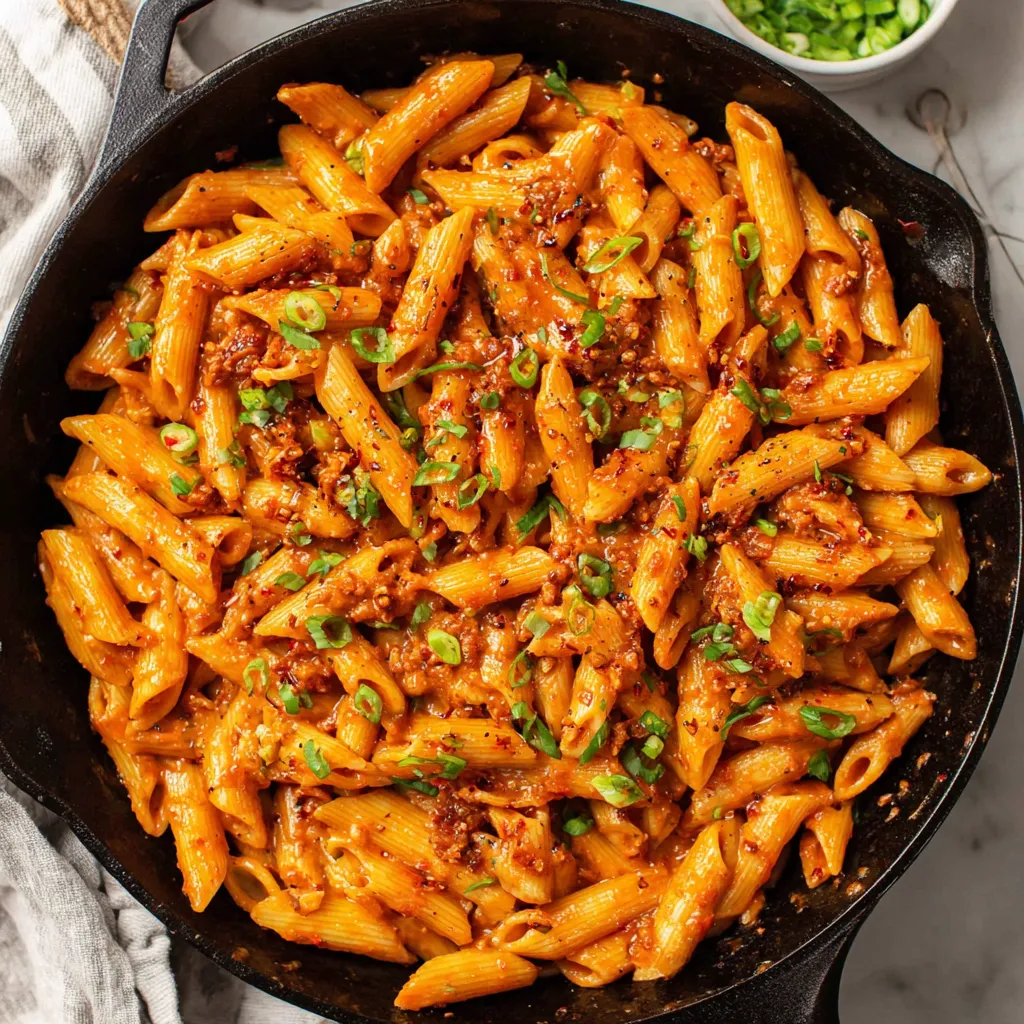
This creamy Korean gochujang pasta combines the bold, spicy flavor of Korean gochujang paste with a silky, luscious sauce that coats every strand of pasta perfectly. The best part? This indulgent dish comes together in just 15 minutes without heavy cream, making it an ideal option for busy weeknights when you crave something exciting but don't have hours to spend in the kitchen.
I first created this recipe during a snowstorm when I couldn't make it to the grocery store. Using pantry staples and that forgotten jar of gochujang in my fridge, I discovered my new favorite comfort food that has since become my most requested dinner party dish.
Ingredients
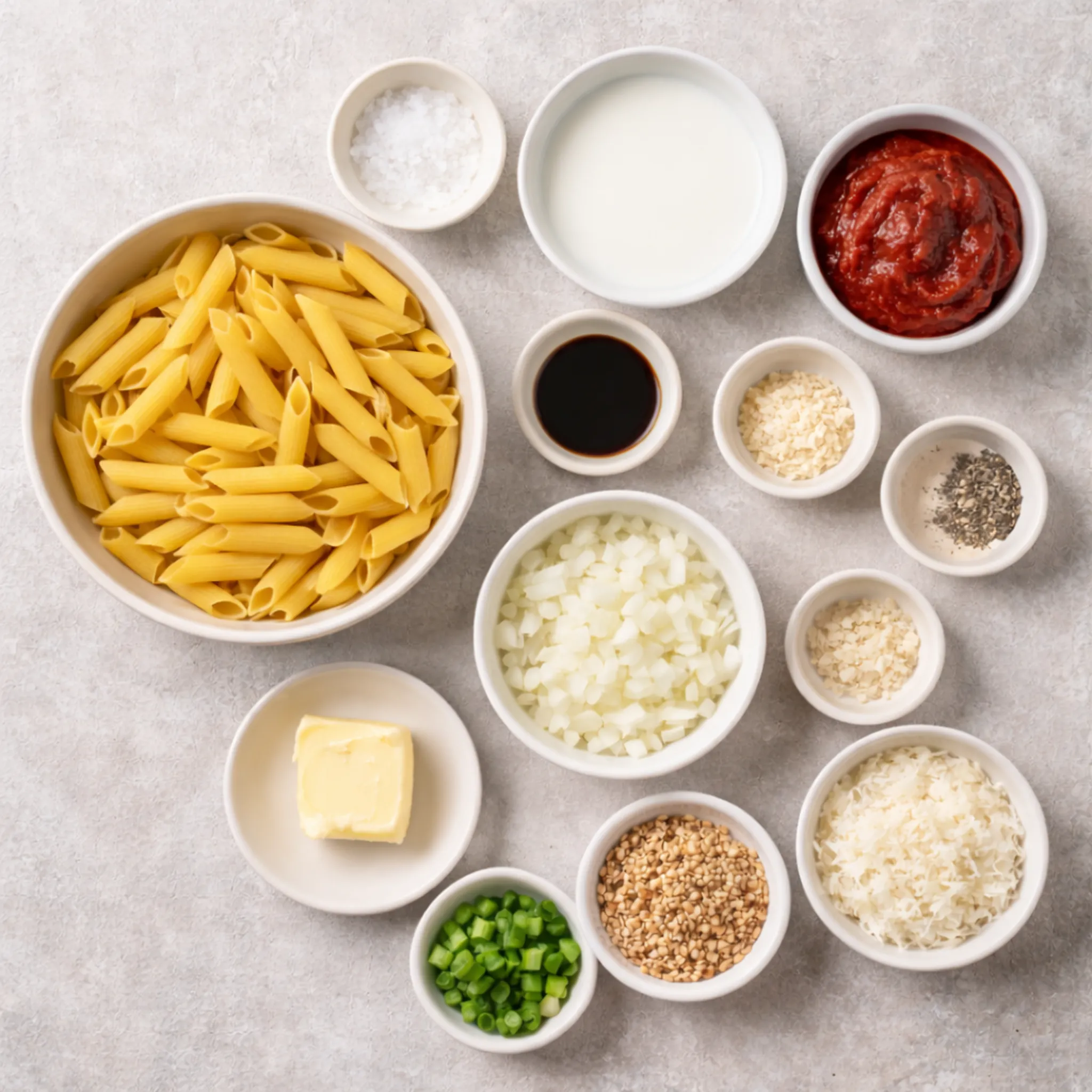
- 12 oz pasta of your choice for the perfect foundation to carry this flavorful sauce
- 1 cup milk dairy or plant based creates that creamy texture without heaviness
- 1½ tbsp cornstarch the secret thickening agent for silky sauce without cream
- 3 tbsp gochujang the star ingredient bringing heat, umami and subtle sweetness
- 1 tbsp soy sauce adds depth and saltiness that balances the creaminess
- ½ tsp sugar optional but helps balance the heat of the gochujang
- 1 tbsp butter creates richness and helps bloom the aromatics
- 1 small onion finely diced builds the flavor base of the sauce
- 3 cloves garlic minced for that aromatic punch that elevates the dish
- Salt for properly seasoning your pasta water
- ¼ tsp freshly ground black pepper adds subtle heat and complexity
Step-by-Step Instructions
- Cook the Pasta
- Bring a large pot of generously salted water to a rolling boil. Add your pasta and cook until just al dente, about 1-2 minutes less than package instructions suggest. This slight undercooking is crucial as the pasta will continue to cook when combined with the hot sauce. Before draining, reserve ½ cup of the starchy pasta water to help adjust the sauce consistency later.
- Prepare the Sauce Mixture
- In a medium bowl, combine the milk and cornstarch, whisking until completely smooth with no lumps. This creates your thickening base. Add the gochujang, soy sauce, sugar if using, and black pepper. Whisk everything together until well incorporated. The mixture might look slightly curdled at this stage but will smooth out beautifully when cooked.
- Sauté Aromatics
- Place a large, deep skillet over medium heat and add the butter. Once melted and slightly bubbling, add your finely diced onion. Cook for 3-4 minutes, stirring occasionally, until the onions become soft and translucent. This process releases their natural sweetness which balances the spicy elements in the dish.
- Add Garlic
- Add the minced garlic to the softened onions and cook for just 30-45 seconds until fragrant. Be careful not to brown the garlic as it can quickly become bitter. The garlic should simply release its aroma, infusing the butter with flavor.
- Simmer the Sauce
- Pour your prepared gochujang milk mixture into the pan with the aromatics. Bring everything to a gentle simmer over medium heat, stirring constantly to prevent any sticking or burning. The sauce will gradually thicken as it cooks, taking about 2-3 minutes to reach a silky, creamy consistency that coats the back of a spoon.
- Combine with Pasta
- Add your drained pasta directly to the sauce in the pan. Using tongs or a wooden spoon, toss everything together until each piece of pasta is evenly coated with the vibrant sauce. If the mixture seems too thick, gradually add splashes of the reserved pasta water until you reach your desired consistency. The starch in the pasta water helps the sauce cling beautifully to the pasta.
 Bookmark
The gochujang is truly the heart of this recipe. I discovered this fantastic Korean chili paste years ago at a local Asian market and have been obsessed ever since. What makes it special is the fermented complexity that delivers heat with depth rather than just spiciness. My family now judges all pasta dishes against this one and rarely does anything else compare.
Storage Tips
This pasta keeps beautifully in the refrigerator for up to 3 days in an airtight container. The sauce will thicken significantly when chilled, so when reheating, add a splash of milk or water to bring back that silky texture. Warm gently on the stovetop over medium-low heat, stirring frequently to prevent sticking. Alternatively, microwave in 30-second intervals, stirring between each until heated through.
Perfect Pairings
This vibrant pasta pairs wonderfully with simple sides that complement without competing. Try serving it with a crisp green salad dressed lightly with rice vinegar and sesame oil to echo the Korean flavors. For a more substantial meal, add quick-pickled vegetables like cucumber or radish to cut through the richness of the sauce. A cold, crisp beer or slightly sweet white wine makes the perfect beverage pairing to balance the heat.
Make It Your Own
The beauty of this recipe lies in its versatility. For protein, try adding sautéed shrimp, shredded rotisserie chicken, or pan-fried tofu cubes. For a vegetable boost, stir in blanched broccoli florets, sautéed mushrooms, or fresh spinach that wilts right into the hot sauce. You can even transform it into a baked pasta by transferring everything to a casserole dish, topping with cheese, and broiling until bubbly and golden.
 Bookmark
Recipe FAQs
- → How can I adjust the spice level of this gochujang pasta?
You can easily control the spiciness by adjusting the amount of gochujang. For a milder dish, start with just 1-2 tablespoons or choose mild gochujang paste. For more heat, use up to 4 tablespoons or select a spicier gochujang variety. The optional sugar also helps balance the heat, so adjust according to your preference.
- → What proteins work well with this Korean pasta dish?
This versatile pasta pairs beautifully with many proteins. Try adding grilled chicken, sautéed shrimp, crispy tofu, or thinly sliced beef. For a meatless option, pan-fried firm tofu or tempeh adds wonderful texture. Cook your protein separately with a light seasoning of salt and pepper, then fold into the finished pasta, or slice and serve on top.
- → Can I make this gochujang pasta dairy-free?
Absolutely! Simply substitute the dairy milk with unsweetened plant-based alternatives like oat, almond, or soy milk. Replace the butter with olive oil or vegan butter. The cornstarch will still create that silky texture even with non-dairy ingredients. For a creamier vegan version, consider adding a tablespoon of nutritional yeast to enhance the umami flavor.
- → What vegetables complement the flavors in this pasta?
Many vegetables work wonderfully in this dish. Try adding spinach, broccoli florets, sliced mushrooms, snap peas, or bell peppers. For hearty additions, sauté vegetables separately before adding them to the pasta, or for quicker options like spinach, simply stir them into the hot sauce until wilted. Roasted vegetables like cauliflower or Brussels sprouts also pair beautifully with the spicy sauce.
- → Where can I find gochujang paste?
Gochujang paste is increasingly available in regular supermarkets in the international or Asian food section. You'll definitely find it in Asian grocery stores, Korean markets, or international food shops. Many online retailers also carry it. Look for it in plastic tubs or squeeze bottles. Brands like Chung Jung One, Mother-in-Law's, and CJ are widely available and offer different heat levels.
- → How do I prevent the sauce from becoming too thick?
The key is to save some pasta cooking water before draining. If you notice the sauce becoming too thick while cooking or after combining with pasta, add a splash of the starchy pasta water and stir until you reach your desired consistency. When reheating leftovers, add a tablespoon of milk or water to restore the creamy texture as the sauce naturally thickens when cooled.