
 Bookmark
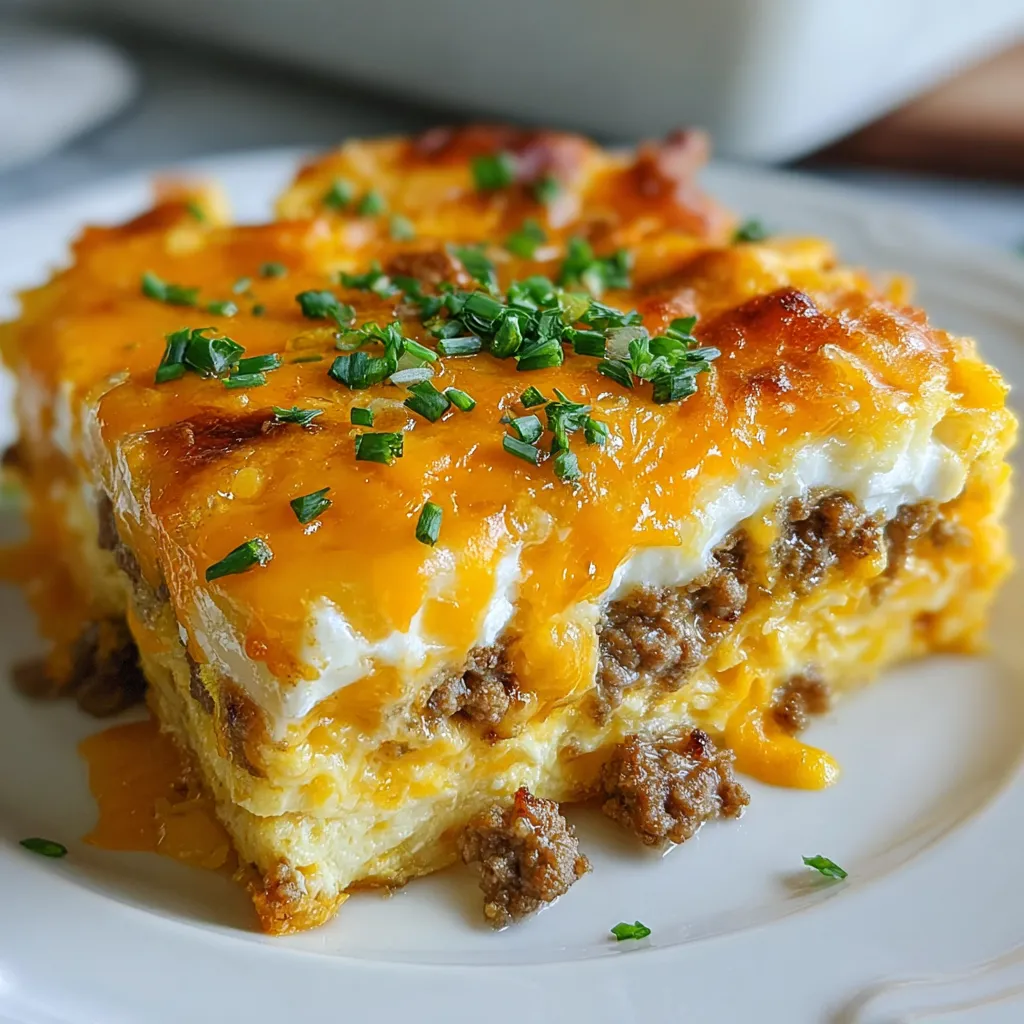
This hearty overnight breakfast casserole has become my family's go-to brunch solution for hosting guests. I remember the first time I made it when out-of-town relatives were visiting - I wanted something delicious that wouldn't have me cooking at dawn. From the moment I pulled it from the oven, the warm, cheesy aroma won everyone over immediately and quickly became our tradition.
I originally created this recipe during a hectic holiday weekend when I needed to feed several houseguests without missing out on precious morning conversation time. Now it's requested at nearly every family gathering - even my picky nephew asks for seconds!
Ingredients
- Breakfast sausage Fresh ground sausage provides savory richness that infuses the entire dish. Look for a quality brand with visible herbs and avoid pre-cooked varieties.
- Frozen hash browns These create the perfect starchy foundation that crisps beautifully while soaking up flavors. Thaw slightly before using for more even cooking.
- Eggs Farm-fresh eggs with bright orange yolks will give your casserole the best color and flavor. Let them come to room temperature for optimal mixing.
- Milk Full-fat milk creates the most luxurious texture, though 2% works nearly as well. The fat helps prevent the eggs from becoming rubbery.
- Sour cream This secret ingredient adds incredible tang and creaminess. Mexican crema makes an excellent substitute for an even richer result.
- Shredded cheddar cheese Sharp or extra-sharp varieties provide the most flavor impact. Freshly grated melts much better than pre-shredded with anti-caking agents.
- Green onions Look for bright, firm stalks with no wilting. The contrast of color and fresh crunch elevates the entire dish.
- Salt Kosher salt distributes more evenly throughout the mixture than table salt. A generous pinch makes all the flavors pop.
- Black pepper Freshly cracked adds significantly more aroma and complexity than pre-ground. Be generous here.
Step-by-Step Instructions
- Brown The Sausage:
- Cook breakfast sausage in a large skillet over medium heat until thoroughly browned and crumbly with no pink remaining. Break it into small, even pieces as it cooks for better distribution throughout the casserole. Drain excess fat on paper towels to prevent the final dish from becoming greasy.
- Mix The Egg Base:
- In a spacious mixing bowl, vigorously whisk together the eggs, milk, sour cream, salt, and black pepper until completely smooth and slightly frothy. Take your time here a fully incorporated mixture ensures even cooking and consistent texture throughout the casserole.
- Layer The Foundation:
- In a generously greased 9×13 baking dish, spread half the hash browns in an even layer across the bottom. Press them down gently to create a solid base. This foundation layer will develop wonderful crispness during baking while absorbing flavors from above.
- Add First Protein Layer:
- Distribute half the browned sausage evenly over the hash browns, making sure to get some in every corner. Follow with a generous handful of shredded cheddar, covering the entire surface. This creates pockets of cheesy goodness throughout.
- Repeat Layers:
- Add remaining hash browns in another even layer, followed by the rest of the sausage and another generous coating of cheese. These distinct layers create wonderful texture variation in each bite of the finished casserole.
- Pour Egg Mixture:
- Slowly pour the egg mixture over everything, allowing it time to seep down through the layers. Give the dish a gentle shake to help the liquid distribute evenly and reach the bottom. Use a fork to create a few pathways for the egg mixture if needed.
- Refrigerate Overnight:
- Cover the dish tightly with foil and refrigerate for at least 8 hours or overnight. This resting period is crucial as it allows the hash browns to absorb the egg mixture and all flavors to meld together beautifully.
- Initial Baking:
- Preheat oven to 350°F and place the still-covered casserole on the middle rack. Bake for 45 minutes with the foil on, allowing everything to heat through gently without burning the top.
- Finish Uncovered:
- Remove the foil and continue baking for another 20-25 minutes until the top turns golden brown with bubbling edges and the center is completely set. A knife inserted in the middle should come out clean with no runny egg mixture.
- Final Garnish:
- Just before serving, sprinkle freshly chopped green onions across the entire surface. The heat from the casserole will slightly wilt them, releasing their aroma while maintaining some texture.
 Bookmark
The overnight soaking is truly the magic element in this recipe. The first time I skipped it and baked immediately, the texture was completely different the hash browns remained separate rather than becoming part of the cohesive dish. Now I sometimes prep two casseroles at once, baking one and freezing the other unbaked for an even easier future meal.
Make-Ahead Options
This casserole offers incredible flexibility for busy households. You can prepare it up to 24 hours before baking, keeping it covered in the refrigerator. For longer storage, you have two options. Either bake it completely, cool to room temperature, then cut into portions and freeze for up to 2 months, reheating individual servings as needed. Alternatively, assemble the entire casserole, freeze unbaked, then thaw overnight in the refrigerator before following the original baking instructions, adding about 15 extra minutes to the covered baking time. I find the fully-baked-then-frozen method works best for maintaining texture, especially when feeding just one or two people at a time.
Endless Variations
What I love most about this recipe is its chameleon-like ability to transform based on what ingredients I have available. For a Mediterranean twist, I substitute Italian sausage, add sautéed bell peppers and spinach, and swap the cheddar for feta and mozzarella. Going Southwestern is another favorite swap breakfast sausage for chorizo, add black beans and corn, use pepper jack cheese, and garnish with cilantro and avocado. For lighter fare, turkey sausage works beautifully, and you can replace half the eggs with egg whites. The most luxurious version involves adding a layer of caramelized onions and mixing some gruyere with the cheddar the depth of flavor is absolutely worth the extra effort.
Troubleshooting Guide
If your casserole turns out watery, the most likely culprit is undrained hash browns. Always thaw and squeeze out excess moisture using a clean kitchen towel before layering. Another common issue is underbaking. The casserole should be set in the center and pulling away slightly from the edges of the pan. If the top browns too quickly before the center is cooked, simply cover it loosely with foil for the remaining bake time. For those who find the texture too soft, try toasting the hash browns in a skillet with a little butter before assembling the casserole this creates more textural contrast in the final dish.
Recipe FAQs
- → Can I freeze this breakfast casserole?
Yes, you can freeze this breakfast casserole! It's best to bake it completely first, then allow it to cool before wrapping tightly and freezing for up to 2 months. Thaw overnight in the refrigerator and reheat covered at 350°F until warmed through.
- → How can I make this casserole vegetarian?
To make a vegetarian version, simply replace the breakfast sausage with sautéed vegetables like mushrooms, spinach, and bell peppers. You can also add diced potato or extra hash browns for heartiness. The egg and cheese base will still provide plenty of protein and flavor.
- → How long can the assembled casserole stay in the fridge before baking?
For best results and food safety, the assembled casserole should be refrigerated for at least 8 hours (overnight) but no more than 24 hours before baking. This resting time allows the flavors to meld and the hash browns to absorb the egg mixture.
- → Can I use fresh potatoes instead of frozen hash browns?
Yes, you can substitute fresh potatoes for the frozen hash browns. Shred raw potatoes, rinse them under cold water to remove excess starch, and pat them very dry before using. Alternatively, you can parboil diced potatoes until just tender before adding them to the casserole.
- → What's the best way to tell when the casserole is fully cooked?
The casserole is done when the top is golden brown and bubbly, and a knife inserted into the center comes out clean without any liquid egg mixture. The internal temperature should reach 160°F. If the top is browning too quickly but the center isn't set, cover loosely with foil until completely cooked.
- → What are some good side dishes to serve with this breakfast casserole?
This hearty casserole pairs beautifully with lighter sides like fresh fruit salad, yogurt parfaits, or a simple green salad. For a more substantial brunch, serve alongside baked goods like muffins, cinnamon rolls, or buttery toast. A mimosa or bloody mary completes the spread for special occasions.