
 Bookmark
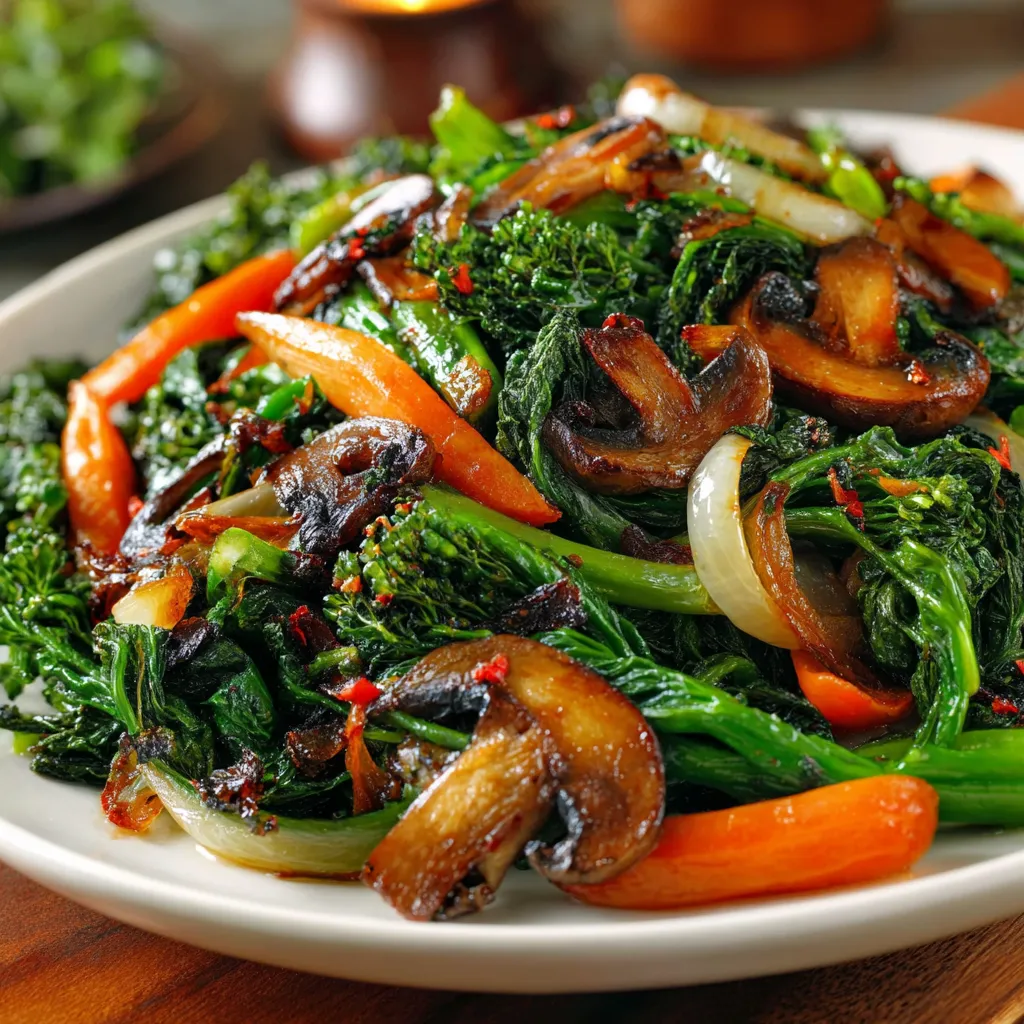
This hearty sautéed vegetable dish transforms simple produce into a vibrant, flavor-packed masterpiece in minutes. After years of experimenting with different vegetable combinations, I've perfected this versatile recipe that works beautifully as a side dish or light main course. The natural sweetness of vegetables shines through with this quick cooking technique, making it my go-to solution for busy weeknights when nutrition can't be compromised.
I first developed this recipe during a particularly busy work week when I needed something healthy but didn't have the energy for complicated cooking. Now it's become my family's most requested side dish, and friends always ask for the recipe after dinner parties.
Ingredients
- Olive oil gives vegetables a rich foundation and helps carry flavors throughout the dish
- Garlic provides aromatic depth that infuses the entire mixture with warmth
- Onion adds sweetness when caramelized slightly during the sautéing process
- Bell pepper contributes vibrant color and a pleasant crunch that holds up well
- Zucchini absorbs other flavors beautifully while maintaining a tender bite
- Broccoli florets offer nutritional powerhouse benefits with excellent texture contrast
- Carrots provide natural sweetness and gorgeous color throughout the year
- Snap peas deliver perfect crispness even after cooking briefly
- Mushrooms create umami depth and meaty texture that makes the dish satisfying
- Salt and pepper form the essential seasoning base that enhances natural flavors
- Lemon juice brightens the entire dish with acidity that balances richer elements
- Balsamic vinegar or soy sauce adds complexity and depth depending on your flavor preference
Step-by-Step Instructions
- Prep Vegetables
- Wash all vegetables thoroughly under cool running water. Use a sharp chef's knife to cut everything into uniform pieces approximately the same size. This ensures even cooking throughout. For carrots, consider julienning or creating thin slices that will cook at the same rate as other vegetables. Remove any tough stems from broccoli and break into bite-sized florets.
- Heat Pan
- Place your skillet over medium-high heat and add olive oil. Allow the oil to heat until it shimmers slightly but doesn't smoke. This creates the perfect temperature for sautéing rather than steaming the vegetables. The oil should coat the bottom of the pan evenly for consistent cooking.
- Cook Aromatics
- Add minced garlic and sliced onions to the hot oil. Stir constantly for 1-2 minutes until they become fragrant and slightly translucent. Be careful not to brown the garlic as it can become bitter. This step creates an aromatic foundation that permeates the entire dish with flavor.
- Add Harder Vegetables
- Introduce carrots and broccoli to the pan first since they take longer to cook. Spread them in a single layer if possible and let them sit undisturbed for 30-60 seconds before stirring. This helps develop light caramelization. Continue cooking for 3-4 minutes, tossing frequently to ensure even contact with the hot pan surface.
- Add Softer Vegetables
- Now incorporate bell peppers, zucchini, mushrooms, and snap peas. These vegetables cook more quickly and would become mushy if added at the beginning. Toss everything together to combine with the aromatics and harder vegetables. Cook another 4-5 minutes, stirring often until all vegetables reach a crisp-tender stage where they still have some resistance when pierced with a fork.
- Season
- Sprinkle salt and pepper evenly across the vegetable mixture. If using, add lemon juice, balsamic vinegar, or soy sauce at this stage. The acid or umami elements will immediately brighten the flavors and create depth. Toss everything together to distribute the seasonings evenly throughout the mixture.
- Finish and Serve
- Give the vegetables a final toss to ensure even coating with seasonings and oil. Remove from heat while vegetables still retain their vibrant colors and slight crispness. Transfer immediately to a serving dish and garnish with fresh herbs, toasted nuts, or seeds if desired. Serve hot for the best texture and flavor experience.
 Bookmark
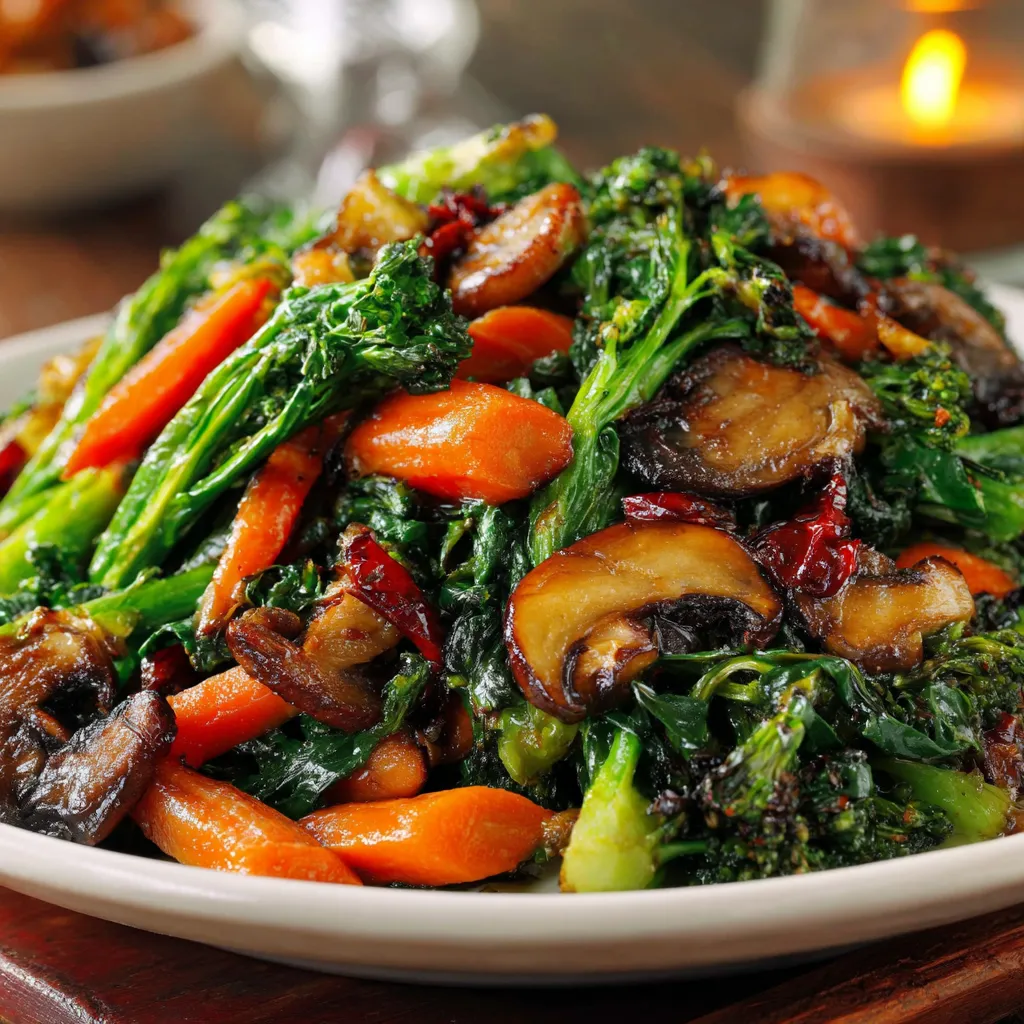
The bell peppers in this recipe hold a special place in my heart. My grandmother always grew peppers in her garden, and the first time I made this dish for her using her homegrown produce, she declared it better than her traditional recipe. That moment of culinary connection across generations made this simple dish something truly special in our family.
Storage Tips for Maximum Freshness
Properly stored sautéed vegetables maintain their flavor for several days. Place completely cooled vegetables in airtight glass containers rather than plastic for better flavor preservation. They'll keep well in the refrigerator for 3-4 days. When reheating, a quick 30-second blast in a hot skillet works far better than microwave heating, which can make vegetables soggy. Add a tiny splash of water if they seem dry, but avoid over-moistening which dilutes flavors. For best quality, enjoy within two days when the vegetables still retain much of their original texture and nutritional value.
Flavor Variations to Try
The beauty of this recipe lies in its adaptability. For Mediterranean flair, add a sprinkle of oregano during cooking and finish with crumbled feta and kalamata olives. Asian-inspired versions benefit from fresh ginger and garlic at the beginning, finished with a light drizzle of sesame oil and toasted sesame seeds. Mexican variations shine with cumin, mild chili powder, and a finish of fresh cilantro and lime juice. For Indian influence, bloom some curry powder or garam masala in the oil before adding vegetables. Each variation transforms the basic recipe into something completely new without requiring additional techniques or significantly more time.
Nutritional Powerhouse Benefits
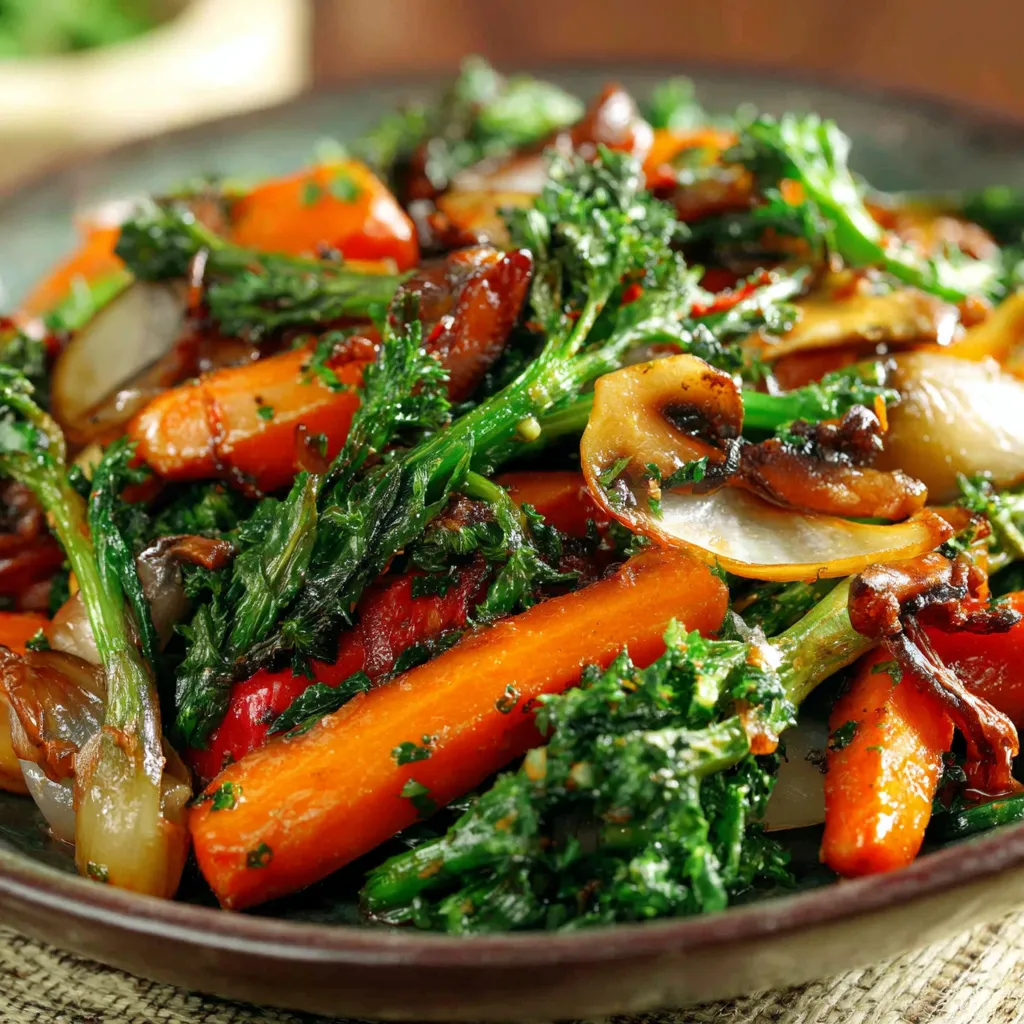
This colorful medley does more than please your palate. The combination of vegetables provides exceptional nutritional benefits that support overall health. The fiber content promotes digestive health and helps maintain steady blood sugar levels. Broccoli contributes cancer-fighting compounds while bell peppers deliver a substantial vitamin C boost that exceeds daily requirements. Mushrooms provide important B vitamins and selenium. Carrots offer beta-carotene for eye and immune health. The olive oil helps your body absorb fat-soluble vitamins from the vegetables, making the nutrients more bioavailable. Together, this mixture creates a complete nutritional package in one simple dish.
 Bookmark
Recipe FAQs
- → What are the best vegetables for sautéing?
Almost any vegetable works well for sautéing, but particularly good options include bell peppers, zucchini, broccoli, carrots, snap peas, and mushrooms. Vegetables with high water content like zucchini cook quickly, while denser vegetables like carrots may need more time. For the best results, combine vegetables with similar cooking times or add them to the pan in stages, starting with the firmest varieties first.
- → What's the difference between sautéing and stir-frying vegetables?
While similar, sautéing typically uses moderate to high heat with occasional stirring in a wide, shallow pan, allowing vegetables to develop some caramelization. Stir-frying uses very high heat with constant movement in a wok or similar vessel. Sautéed vegetables generally maintain more individual flavor and a slightly softer texture, while stir-fried vegetables have a more intense sear and retain more crispness. Both techniques cook quickly and preserve nutrients.
- → How can I prevent my sautéed vegetables from becoming soggy?
To keep sautéed vegetables crisp rather than soggy: 1) Don't overcrowd the pan—cook in batches if necessary; 2) Use medium-high to high heat to quickly cook and evaporate moisture; 3) Cut vegetables uniformly for even cooking; 4) Pat vegetables dry before adding to the pan; 5) Add salt toward the end of cooking to prevent drawing out excess moisture; and 6) Serve immediately after cooking for the best texture.
- → What oils work best for sautéing vegetables?
The best oils for sautéing have a moderate to high smoke point and neutral or complementary flavor. Good options include refined olive oil, avocado oil, grapeseed oil, and canola oil. For additional flavor, you can use butter (or ghee for a higher smoke point) or extra-virgin olive oil, but be cautious as these can burn more easily. If using butter, consider combining it with a higher smoke point oil to prevent burning while still getting buttery flavor.
- → How do I season sautéed vegetables for maximum flavor?
For maximum flavor, layer seasonings throughout the cooking process. Start by sautéing aromatics like garlic, onions, or shallots in oil to create a flavor base. Add herbs and spices that complement your vegetables—Mediterranean herbs like thyme and oregano work well, as do curry blends or Italian seasonings. Season with salt and pepper during cooking, and finish with acid (lemon juice or vinegar) to brighten flavors. For umami depth, add a splash of soy sauce or sprinkle of Parmesan cheese just before serving.
- → Can I make sautéed vegetables ahead of time for meal prep?
Yes, sautéed vegetables work well for meal prep, though they're best when slightly undercooked if you plan to reheat them later. After cooling completely, store them in airtight containers in the refrigerator for 3-4 days. When reheating, use a quick sauté in a hot pan rather than a microwave to restore some of the original texture. For the freshest results, consider prepping raw vegetables and storing them separately, then quickly sautéing just before serving your meal.