
 Bookmark
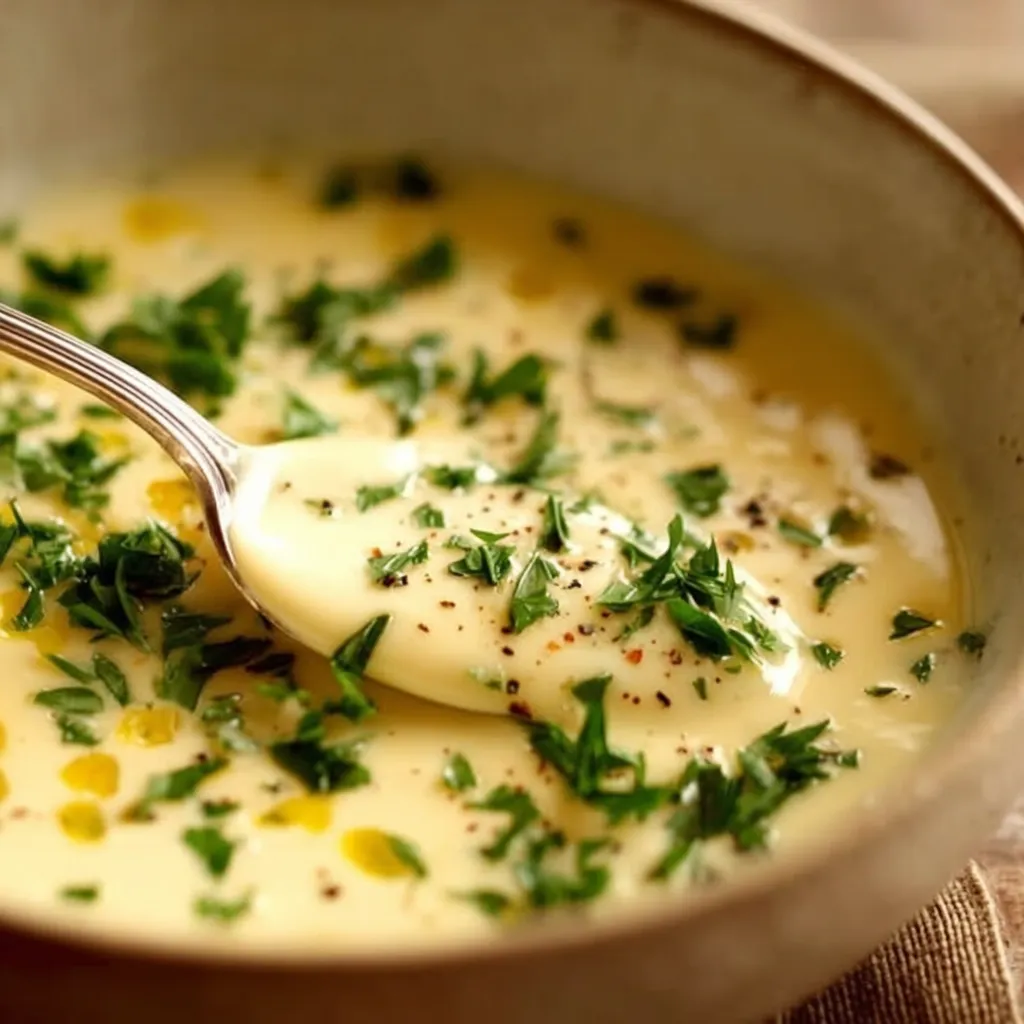
This creamy lemon butter sauce transforms ordinary meals into restaurant-worthy dishes with minimal effort. The velvety texture combined with bright citrus notes creates a versatile sauce that elevates everything from seafood to pasta. I've been making variations of this sauce for years, and it remains my secret weapon for impressing dinner guests without spending hours in the kitchen.
I first created this sauce when I needed to quickly salvage an overcooked piece of salmon. The creamy lemon sauce not only rescued dinner but became the star of the meal. Now my family requests it weekly regardless of what we're having as the main course.
Ingredients
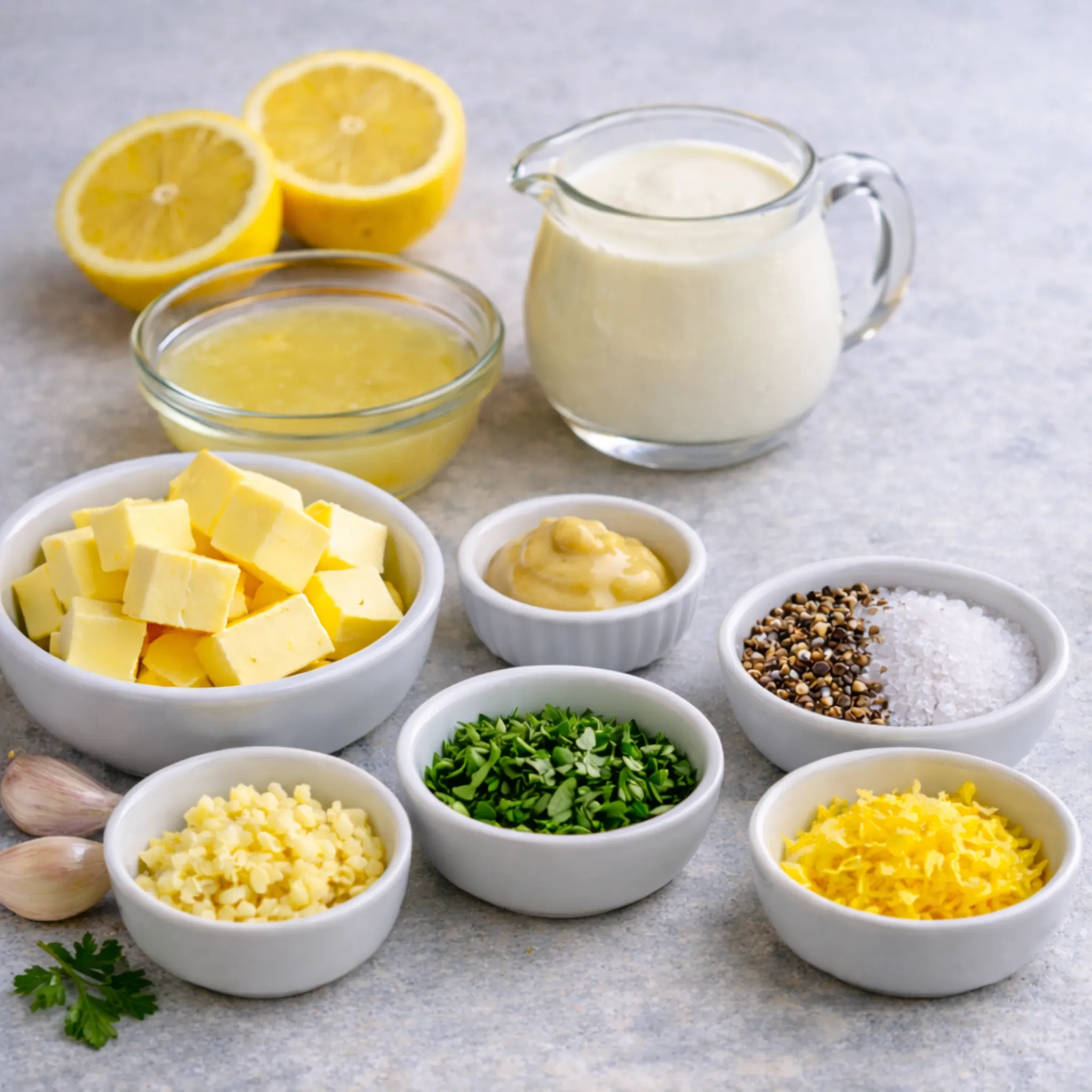
- Unsalted butter allows you to control the salt level and provides the rich foundation for the sauce
- Garlic cloves fresh minced provides aromatic depth that dried garlic powder cannot match
- Heavy cream creates that luxurious silky texture that coats the back of a spoon perfectly
- Lemon zest contains essential oils that infuse the sauce with bright citrus notes
- Freshly squeezed lemon juice adds tanginess and balances the richness of the cream
- Salt enhances all the flavors and brings the sauce to life
- Black pepper adds subtle warmth and complexity
- Dijon mustard optional but adds a wonderful depth that complements the lemon beautifully
- Fresh herbs like parsley or chives provide color contrast and a fresh finish
Step-by-Step Instructions
- Melt the Butter
- Place unsalted butter in a medium saucepan over medium heat and allow it to melt completely. Watch carefully as it begins to gently bubble making sure it doesn't brown which would alter the flavor profile of the finished sauce. The melting process should take about 2 minutes depending on your stove.
- Sauté the Garlic
- Add minced garlic to the melted butter and stir continuously for 30 seconds to 1 minute. The garlic should become fragrant and slightly softened but not browned which would make it bitter. The butter will protect the garlic from burning if you keep stirring.
- Incorporate the Cream
- Pour heavy cream into the saucepan with butter and garlic then bring the mixture to a gentle simmer. You'll notice tiny bubbles forming around the edges of the pan. Allow the sauce to cook for 3 to 5 minutes stirring occasionally with a wooden spoon or silicone spatula. During this time the sauce will begin to thicken slightly as some of the water content evaporates.
- Add Citrus Elements
- Add lemon zest and freshly squeezed juice to the simmering sauce stirring well to incorporate. The sauce will immediately brighten in flavor. Continue simmering for another 2 to 3 minutes allowing the citrus to fully infuse through the sauce. You'll notice the aroma becomes more complex and inviting.
- Season and Finish
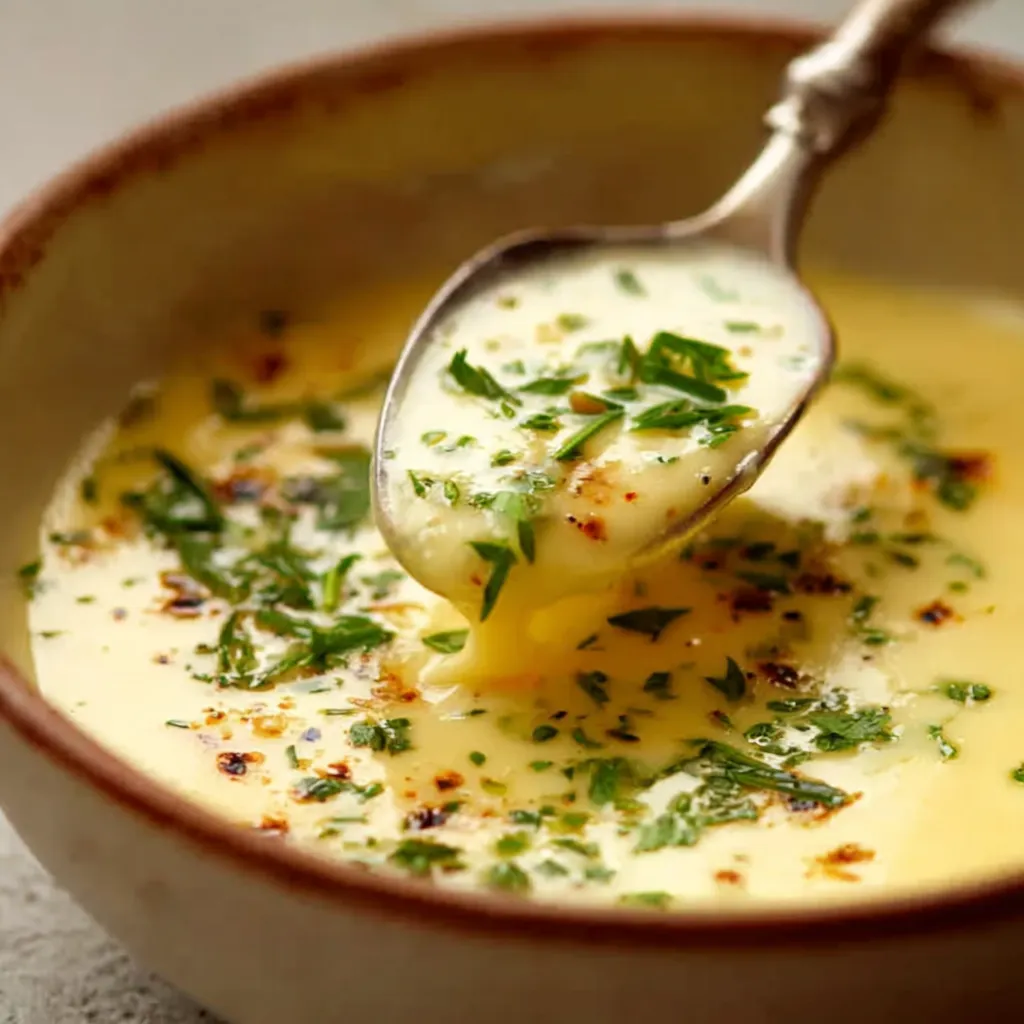
- Season with salt and freshly ground black pepper tasting as you go until the flavors pop. If using Dijon mustard whisk it in now for added complexity. The mustard will seamlessly blend into the sauce creating a subtle undertone that complements the lemon. Remove from heat once the sauce coats the back of a spoon indicating perfect consistency.
 Bookmark
My absolute favorite ingredient in this sauce is the lemon zest. Most people underestimate its power but I've found it provides a more intense citrus flavor than the juice alone. I remember serving this sauce at my sister's birthday dinner last year and watching everyone's faces light up with that first taste the way the lemon brightness cut through the richness of the cream created a perfect balance.
Perfect Pairings
This sauce creates magic when paired with seafood. The brightness of the lemon beautifully complements the natural sweetness of pan seared scallops or grilled salmon. For an impressive yet simple dinner serve the sauce generously spooned over seafood with steamed asparagus on the side. The sauce will gently pool around the plate creating a restaurant quality presentation.
Troubleshooting Tips
The most common issue with this sauce is curdling which happens when acid from the lemon reacts with the cream. To prevent this ensure your cream is at room temperature before adding it to the pan and add the lemon juice very slowly while whisking constantly. If your sauce does show signs of separation remove it from heat immediately and whisk vigorously until smooth. As a last resort blending the sauce can rescue it.
Make It Your Own
While this classic version is perfect as is you can easily customize the sauce to suit your preferences or what you have available. Add a pinch of red pepper flakes for heat or stir in some capers for a Mediterranean twist. Replace some of the lemon juice with white wine for a different flavor profile or fold in some grated parmesan cheese at the end for an alfredo inspired variation. The base recipe provides endless possibilities for experimentation.
 Bookmark
Recipe FAQs
- → How do I prevent the lemon butter sauce from separating?
Use gentle, moderate heat especially after adding the lemon juice and avoid boiling the sauce. Add the lemon juice gradually while whisking constantly, and maintain a steady simmer rather than high heat. The heavy cream helps stabilize the mixture, creating a smooth emulsion.
- → Can I make this sauce dairy-free?
Yes, though the texture and flavor will differ. Substitute the butter with a high-quality plant-based alternative and replace heavy cream with full-fat coconut cream or a barista-style non-dairy milk. You may need to add a touch more thickener like cornstarch slurry (1 teaspoon cornstarch mixed with 1 tablespoon water).
- → How long can I store leftover sauce?
Store leftovers in an airtight container in the refrigerator for up to 3 days. The sauce may solidify when chilled. To reheat, warm gently over low heat, whisking constantly to restore its smooth consistency. Avoid microwave reheating which can cause separation.
- → What's the best way to thicken this sauce if it's too thin?
Continue simmering gently for a few additional minutes, allowing natural reduction to thicken the sauce. For faster results, create a slurry with 1 teaspoon cornstarch and 1 tablespoon cold water, then whisk into the simmering sauce. Avoid over-thickening as the sauce will continue to set slightly as it cools.
- → Can I add wine to this sauce?
Absolutely! Add 60ml (¼ cup) of dry white wine like Sauvignon Blanc or Pinot Grigio after sautéing the garlic. Simmer until the wine reduces by half before adding the cream. This creates additional depth and complexity while complementing the lemon flavor beautifully.
- → What herbs work best with this sauce?
Parsley and chives provide classic freshness, but dill pairs exceptionally well with seafood applications. Tarragon adds sophisticated licorice notes that complement chicken dishes, while thyme contributes earthy complexity. Fresh herbs are preferable to dried for the brightest flavor and visual appeal.