
 Bookmark
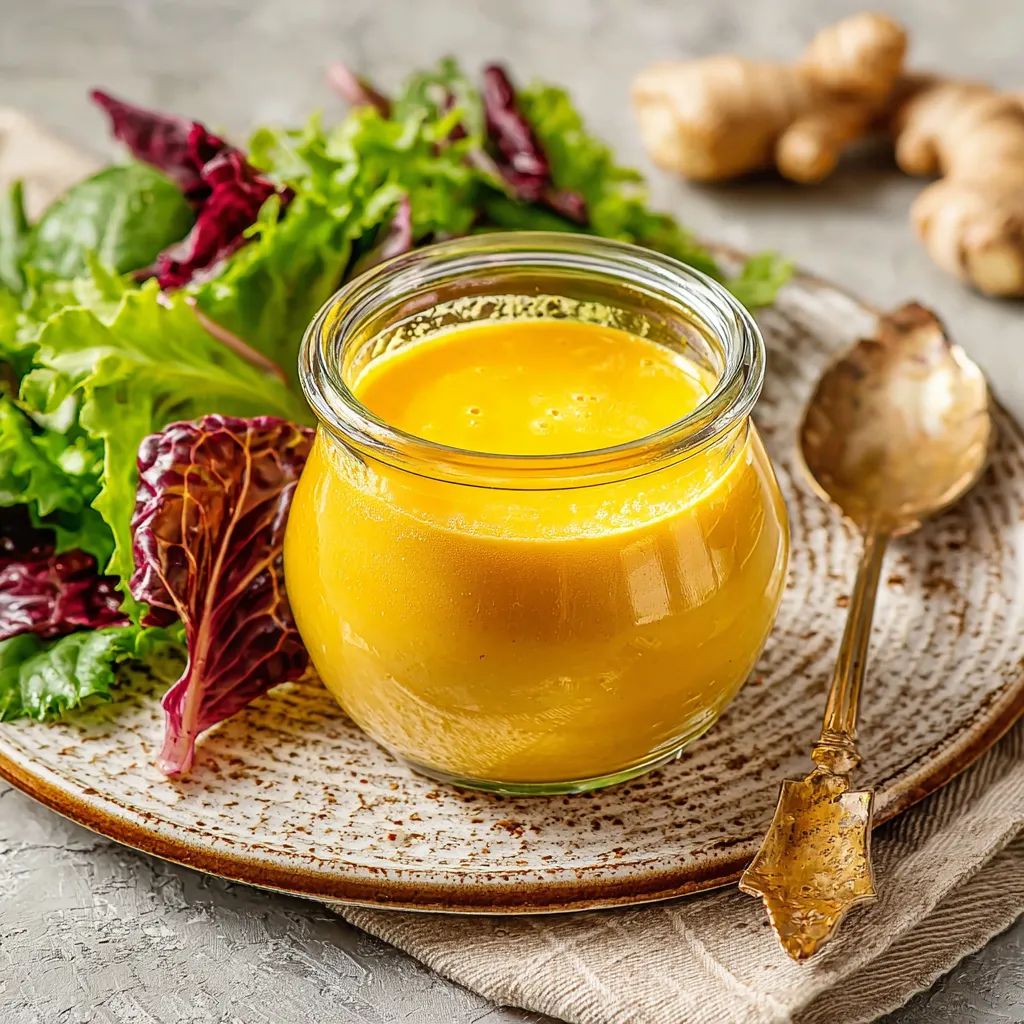
This hearty Japanese Ginger Salad Dressing has been my restaurant copycat obsession for years. I've perfected this recipe after countless attempts to capture that distinctive tangy-sweet flavor profile that makes even the simplest salad irresistible.
I first discovered my love for this dressing during a memorable dinner at a small family-owned Japanese restaurant. The owner noticed me practically drinking the dressing and graciously shared some basics about making it at home. After much experimentation, this recipe comes remarkably close to that unforgettable flavor.
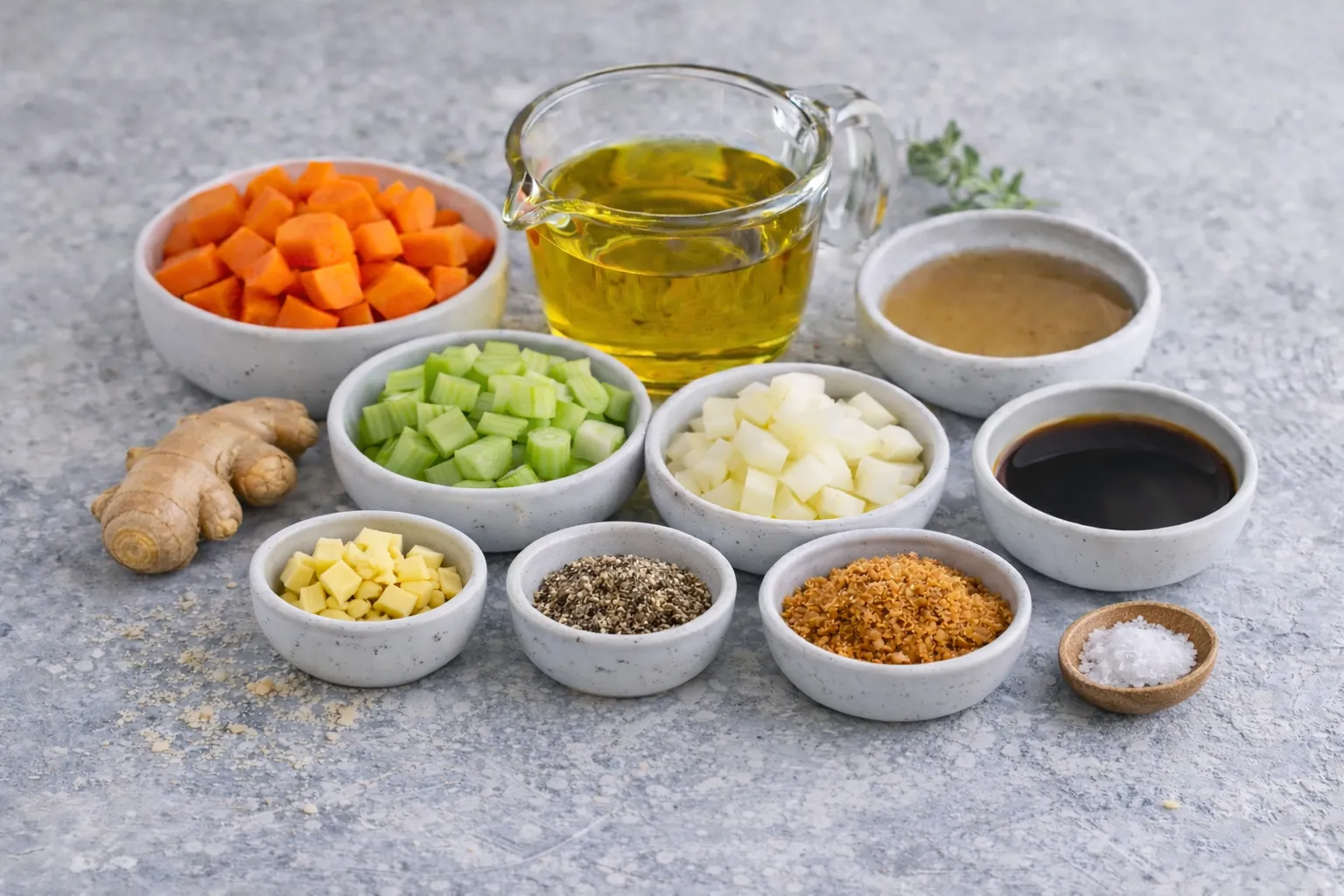
Ingredients
- Fresh ginger provides that distinctive warmth and zing essential to authentic Japanese dressing
- Carrots add natural sweetness and vibrant color to balance the sharp ginger notes
- Celery contributes a subtle savory element and helps with the smooth texture
- Yellow onion delivers depth and complexity look for firm onions without soft spots
- Avocado oil creates the perfect emulsion while staying neutral in flavor
- Coconut aminos offer umami richness without the soy try to find a good quality brand
- Rice vinegar brings essential brightness choose unseasoned for best control over flavor
- Coconut sugar adds subtle sweetness that rounds everything out use the freshest available
- Sea salt enhances all flavors fine sea salt dissolves best in this application
- Black pepper adds a gentle background warmth freshly ground is noticeably better
Step-by-Step Instructions
- Prep Vegetables
- Thoroughly peel and roughly chop the carrots, celery, and onion. The chopping doesn't need to be precise as everything will be blended, but similar sizing helps achieve uniform processing. For the ginger, I recommend peeling with a spoon edge rather than a vegetable peeler to preserve more of the flavorful flesh.
- Combine Ingredients
- Add all ingredients to your blender in the order listed. Placing liquids at the bottom helps create a vortex that pulls down the vegetables, resulting in a smoother blend. Make sure to measure the oil precisely, as too much can make the dressing overly rich.
- Blend to Perfection
- Start blending on low speed for about 20 seconds, then gradually increase to high speed. Continue blending for 45-60 seconds until completely smooth. The texture should be thick but pourable, with no visible vegetable pieces. If your blender struggles, stop occasionally to scrape down the sides.
- Taste and Adjust
- Sample the dressing and fine-tune as needed. If it's too sharp, add a teaspoon more coconut sugar. If it needs more brightness, incorporate additional rice vinegar a teaspoon at a time. Remember that flavors will meld and develop after chilling.
 Bookmark
My favorite element of this dressing is definitely the fresh ginger. I learned from a Japanese friend that the best technique is to use young ginger when possible and to slice against the grain before chopping to minimize stringiness. The difference in texture is remarkable, and it creates that signature restaurant-quality finish that makes everyone ask for the recipe.
Make-Ahead Options
This dressing actually improves with time as the flavors meld together. I recommend making it a day ahead for the best flavor profile. The natural vegetable fibers help stabilize the emulsion, but you'll still notice some separation when stored. Simply give it a good shake or quick blend before serving to restore the perfect consistency. In my experience, the ginger flavor becomes more pronounced on day two, then gradually mellows.
Dietary Adaptations
This recipe is already quite adaptable for various dietary needs. For strictly paleo diets, the recipe works perfectly as written. If following AIP, simply omit the black pepper and ensure your coconut aminos are compliant. For keto followers, skip the coconut sugar or substitute with a small amount of monk fruit sweetener. I've found that vegetable-based dressings like this one are particularly forgiving when making dietary substitutions since they derive so much flavor from the fresh produce rather than dairy or complex ingredients.
Serving Suggestions
While traditionally served over a simple iceberg lettuce salad in Japanese restaurants, this dressing has become my secret flavor weapon for countless dishes. Try it drizzled over seared salmon for an instant flavor boost, or use it as a marinade for chicken before grilling. One of my favorite applications is to toss steamed vegetables in this dressing while still warm so they absorb the flavors. It also makes an excellent dipping sauce for fresh spring rolls or a flavor enhancer for simple rice bowls topped with avocado and cucumber.
 Bookmark
Recipe FAQs
- → What does Japanese ginger dressing taste like?
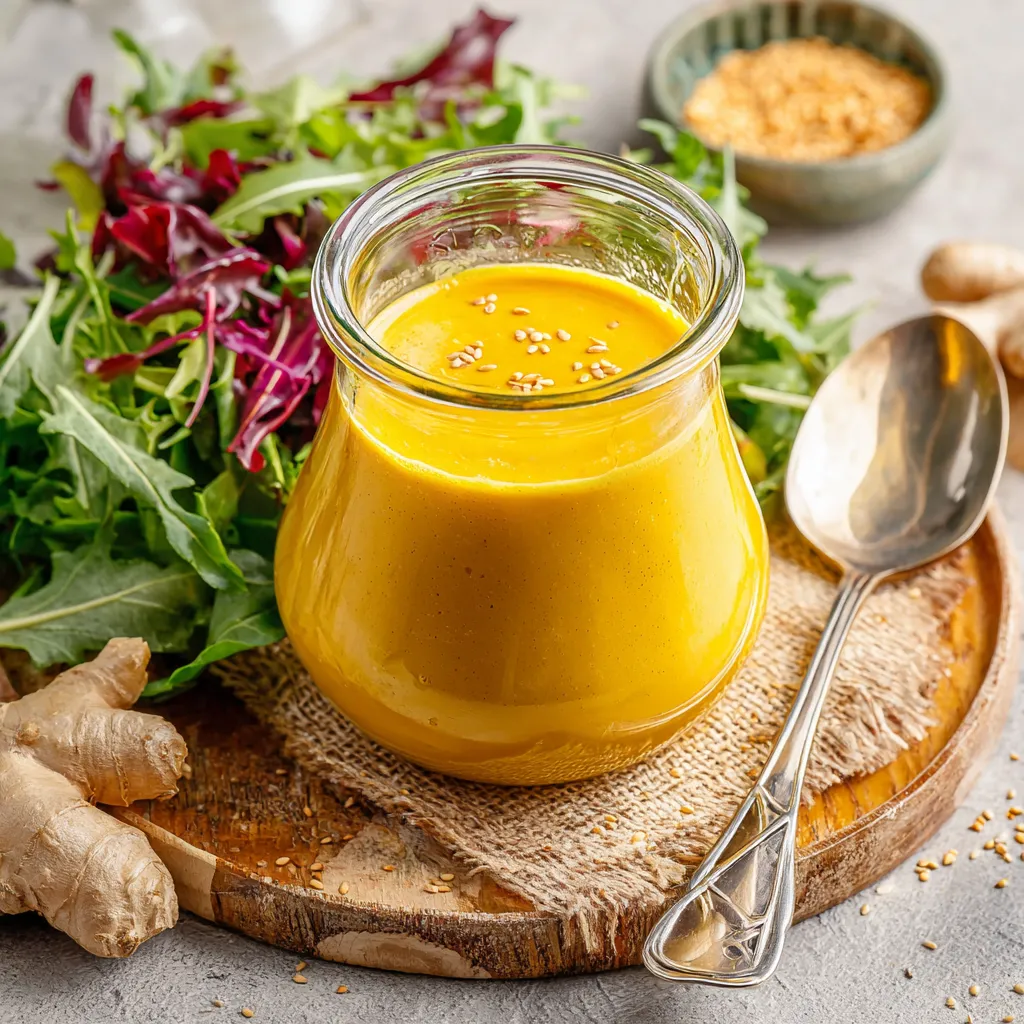
Japanese ginger dressing has a bold, fresh, and slightly tangy flavor profile with savory undertones. Fresh ginger provides warmth and character, while carrots and onions add natural sweetness. The vinegar contributes brightness, and the oil creates a smooth, pourable consistency that's perfectly balanced - not creamy or heavy.
- → How long does homemade Japanese ginger dressing last?
Homemade Japanese ginger dressing stays fresh for 3-4 days when stored in an airtight container in the refrigerator. Natural separation may occur, so stir or shake before using. For longer storage, you can freeze it for up to one month.
- → What can I serve with Japanese ginger dressing?
While traditionally served over a simple salad of iceberg or romaine lettuce, tomato, cucumber, and shredded carrots, this versatile dressing also pairs wonderfully with rice bowls, grilled chicken, roasted vegetables, noodle salads, and Asian-style slaws. It adds instant flavor to almost anything.
- → Can I make Japanese ginger dressing without a high-speed blender?
While a high-speed blender gives the best consistency, you can use a food processor or regular blender. Just ensure you chop the vegetables finely before blending for a smoother texture. You may need to blend longer to achieve the desired smoothness.
- → What modifications can I make for dietary restrictions?
For Whole30, simply omit the coconut sugar. For AIP (Autoimmune Protocol), replace rice vinegar with apple cider vinegar and omit black pepper. The dressing is naturally gluten-free when made with certified gluten-free ingredients and dairy-free as written.
- → What's the key to authentic Japanese ginger dressing flavor?
Fresh ginger is absolutely essential - never substitute ground ginger. The combination of fresh vegetables (carrots, celery, onion) creates depth, while the balance of coconut aminos and rice vinegar provides that signature Japanese restaurant flavor. Adjust the ginger amount to personal preference for milder or stronger results.