
 Bookmark
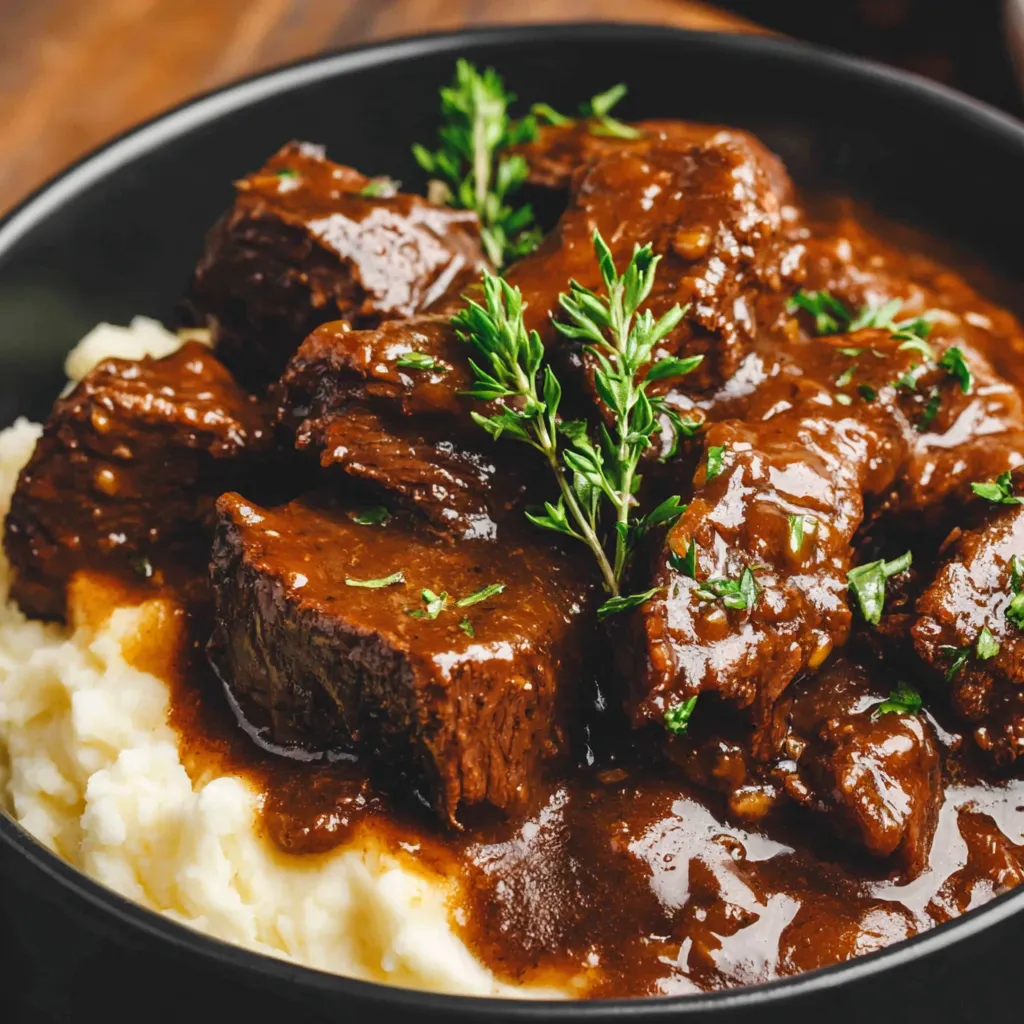
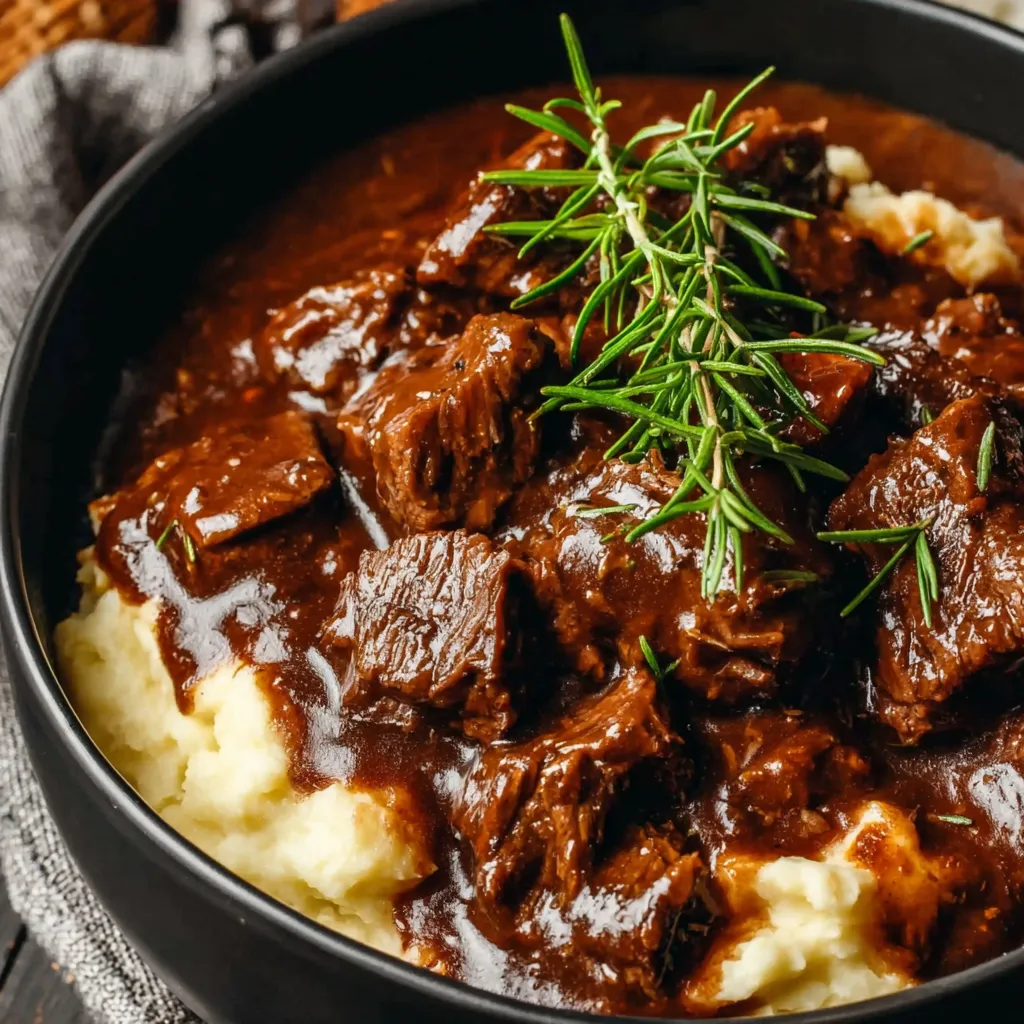
This slow cooker Beef Manhattan transforms humble ingredients into a restaurant-worthy comfort meal that will transport you straight to a cozy Midwestern diner. The fork-tender beef slow cooks to perfection while you go about your day, making this nostalgic open-faced sandwich an effortless dinner option that delivers maximum flavor with minimal effort.
I first made this recipe during a particularly hectic week when I needed something that could cook while I was at work. My family was so impressed by the rich flavors and tender beef that it has become our go-to Sunday dinner whenever we crave something comforting yet special.
Ingredients
- Beef roast choose chuck or round roast for the best combination of flavor and texture. These cuts have enough marbling to become fork-tender after slow cooking.
- Onion creates a flavorful bed for the beef and infuses the gravy with natural sweetness. Yellow onions work best for their balanced flavor.
- Beef broth forms the foundation of your gravy. Use low-sodium if possible to control the salt level.
- Worcestershire sauce adds complexity and depth with its unique blend of vinegar, molasses and spices. This ingredient is non-negotiable.
- Soy sauce introduces umami richness that enhances the beefy flavor. The saltiness also helps tenderize the meat.
- Spice blend the combination of garlic powder, onion powder, thyme and black pepper creates the perfect savory profile without overwhelming the natural beef flavor.
- Cornstarch creates the silky texture in your gravy without any lumps. Always mix with cold water before adding to hot liquid.
- Bread serves as the foundation of your Beef Manhattan. Classic white bread is traditional, but Texas toast adds extra substance.
- Mashed potatoes act as the creamy middle layer. Russet potatoes make the fluffiest mash, but Yukon golds add buttery richness.
Step-by-Step Instructions
- Create the Aromatic Base
- Layer sliced onions across the bottom of your slow cooker. This creates a flavor platform that elevates the dish while preventing the beef from sticking to the bottom. The onions will caramelize slowly, infusing the cooking liquid with sweetness.
- Position the Beef
- Place your whole beef roast directly on top of the onion bed. Keeping the meat in one piece during cooking helps it retain moisture and develop better flavor. No need to sear beforehand the slow cooking process will develop plenty of flavor.
- Add Liquid Ingredients
- Pour beef broth, Worcestershire sauce, and soy sauce around the sides of the beef, not directly over it. This preserves any seasonings on top while creating the flavorful bath that will eventually become your gravy.
- Season Thoroughly
- Sprinkle all seasonings evenly over the top of the beef roast. The herbs and spices will slowly infuse into the meat during cooking. Be sure to season all exposed surfaces for maximum flavor penetration.
- Slow Cook to Perfection
- Cover and set your slow cooker to LOW for 8 hours or HIGH for 4-5 hours. The longer, slower cooking produces more tender results. You will know it is done when you can easily shred the beef with minimal resistance using two forks.
- Prepare the Beef
- Remove the cooked beef to a cutting board and shred thoroughly using two forks. Pull against the grain for the most tender texture. The meat should separate effortlessly if properly cooked.
- Create the Gravy
- Strain the cooking liquid to remove the onions, then return the liquid to the slow cooker. In a small bowl, create a cornstarch slurry by whisking cornstarch with cold water until smooth. Slowly whisk this mixture into the hot cooking liquid and continue cooking on HIGH until thickened, about 10-15 minutes.
- Assemble Your Beef Manhattan
- Toast bread slices until golden brown for structural integrity. Place one slice on each plate, top with a generous scoop of mashed potatoes, followed by a portion of shredded beef, and finish with a ladleful of rich gravy poured over everything.
 Bookmark
The Worcestershire sauce is my secret weapon in this recipe. When my grandmother first taught me to make this dish, she emphasized that this ingredient was non-negotiable. "It adds that special something that makes people ask for your recipe," she would say while making this for our Sunday family dinners. To this day, I always add an extra splash right at the end of cooking.
Make-Ahead and Storage Options
This Beef Manhattan was practically designed for meal prepping. The beef and gravy portion can be made up to three days ahead and stored in the refrigerator, where the flavors will continue to develop and improve. When ready to serve, simply reheat the beef and gravy mixture in a saucepan over medium heat until thoroughly warmed through.
For longer storage, freeze the beef and gravy in airtight containers for up to three months. Thaw overnight in the refrigerator before reheating. The mashed potatoes can also be made ahead and reheated with a splash of milk to restore their creamy consistency. The only component I recommend preparing fresh is the toast, which takes just minutes to make.
Perfect Pairings and Serving Ideas
While Beef Manhattan is a complete meal on its own, a few simple sides can round out the plate perfectly. A crisp green vegetable like steamed broccoli or roasted asparagus provides welcome contrast to the richness of the dish. For a more traditional diner experience, serve with a side of cranberry sauce or a small dish of coleslaw for tanginess.
For a more elegant presentation, consider serving individual portions in wide, shallow bowls rather than plates. This contains the gravy better and elevates the comfort food to dinner-party status. A sprinkle of fresh thyme or parsley adds a pop of color and freshness that brightens the dish visually and flavor-wise.
Variations to Try
While traditional Beef Manhattan holds a special place in my heart, several variations can keep this recipe exciting. For a southwestern twist, add chile powder and cumin to the seasoning mix, then top with sliced avocado and a dollop of sour cream. A mushroom lover's version includes adding sliced mushrooms to the slow cooker during the last hour of cooking for an even richer umami flavor.
For those watching carbs, consider serving over cauliflower mash instead of potatoes, or skip the bread entirely and create a hearty beef bowl. Those preferring a deeper flavor profile might deglaze a hot skillet with red wine after searing the beef, then add that liquid to the slow cooker for an enhanced gravy base.
Recipe FAQs
- → What cut of beef works best for Beef Manhattan?
Chuck roast or round roast work best for this dish. These cuts have enough fat and connective tissue that break down during slow cooking, resulting in tender, flavorful meat. Chuck roast typically produces a more flavorful result, while round roast is leaner but still becomes tender with long cooking.
- → Where did Beef Manhattan originate?
Despite its name, Beef Manhattan doesn't originate from New York City. It's actually a Midwestern creation that gained popularity in diners across Indiana and Ohio in the mid-20th century. It became a staple in small-town eateries as a hearty, filling, and budget-friendly meal for hardworking families.
- → Can I make Beef Manhattan ahead of time?
Absolutely! The beef component can be prepared 1-2 days in advance and reheated when needed. In fact, many find the flavor improves after a day in the refrigerator. Store the shredded beef in its gravy separately from the potatoes and bread, then assemble when ready to serve.
- → What sides pair well with Beef Manhattan?
Beef Manhattan is a hearty main dish that pairs well with lighter sides. Consider serving it with steamed green beans, roasted carrots, a simple green salad, or glazed peas. The vegetable sides help balance the richness of the beef and gravy while adding color and nutrition to the meal.
- → How can I make the gravy thicker?
If your gravy isn't thick enough after adding the cornstarch slurry, you can create additional slurry (mix 1 tablespoon cornstarch with 1 tablespoon cold water) and add it to the simmering liquid. Always bring the gravy back to a simmer after adding slurry to activate the thickening properties. Alternatively, reducing the liquid by simmering uncovered can concentrate flavors and thicken naturally.
- → Can I use a different cooking method if I don't have a slow cooker?
Yes! You can adapt this recipe for other cooking methods. For a Dutch oven, sear the beef on all sides first, then add ingredients and cook covered in a 325°F oven for about 3 hours. For a pressure cooker or Instant Pot, cook on high pressure for 60-75 minutes with natural release for a similar tender result in less time.