
 Bookmark
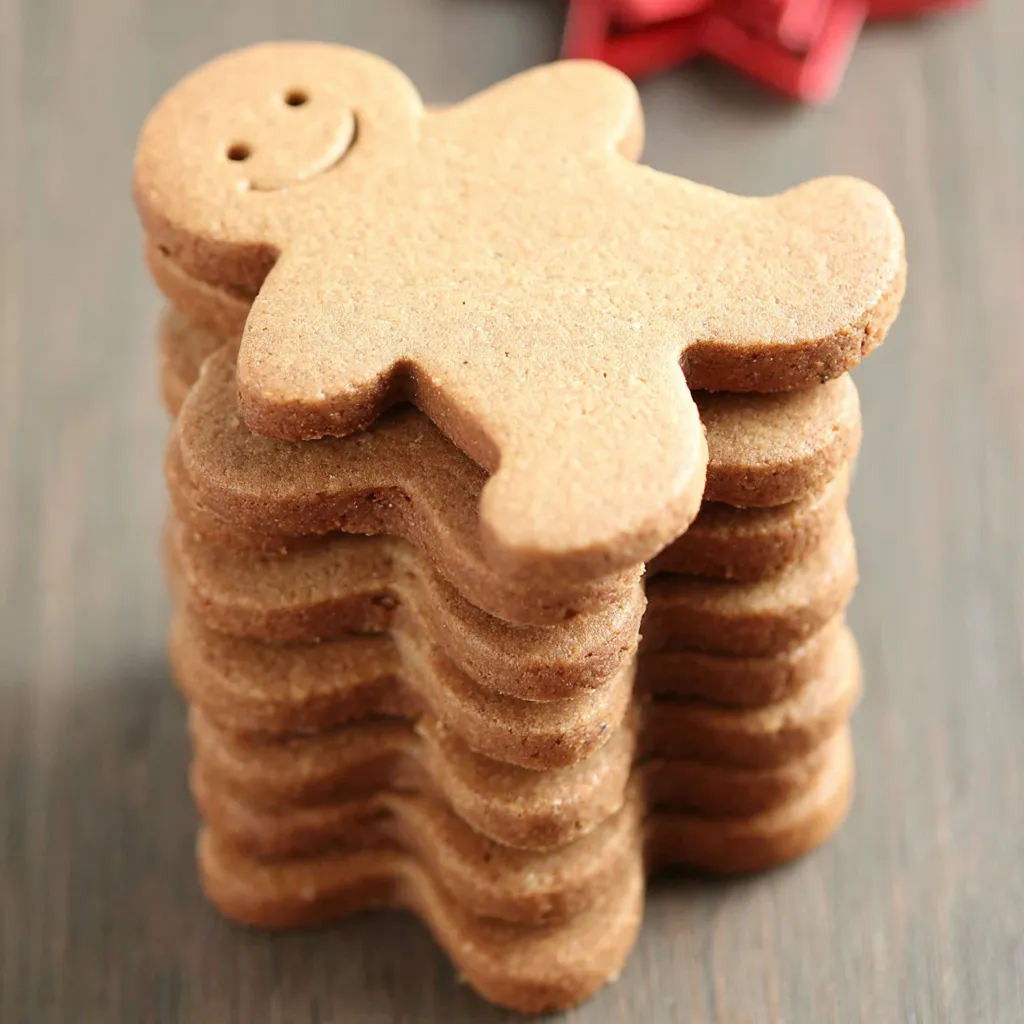
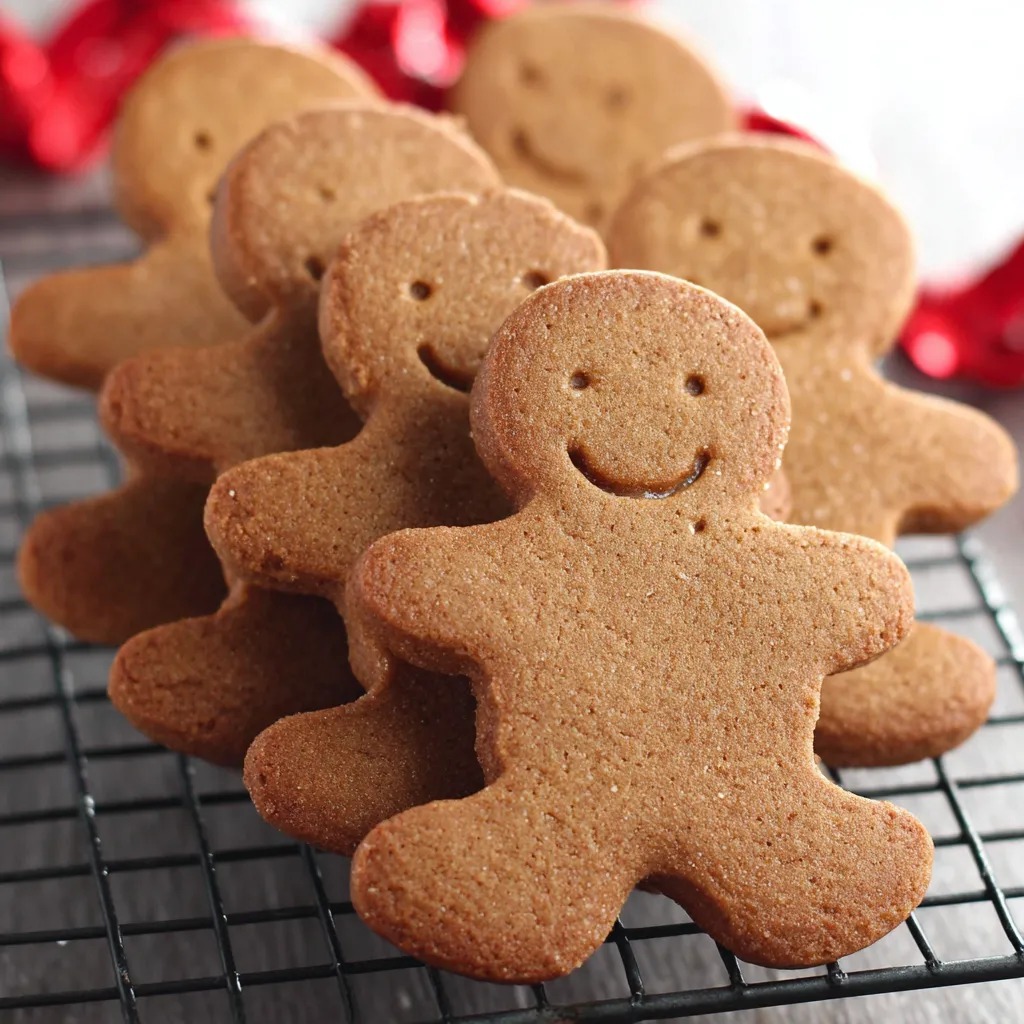
This gingerbread cookie recipe solves the most frustrating problem with holiday baking perfect cookies that actually keep their shape. After years of watching carefully cut snowmen and stars spread into unrecognizable blobs in the oven, I discovered the secret no baking powder. This simple change creates cookies with crisp, clean edges that maintain their exact shape during baking, making them ideal for decorating.
I first developed this recipe after a particularly disappointing holiday baking session where my carefully cut reindeer cookies ended up looking more like amorphous blobs. My children now request these cookies year round, not just for Christmas, because they love how perfectly they hold their festive shapes.
Ingredients
- All purpose flour creates the foundation for these cookies, providing structure without toughness. Make sure to whisk it before measuring to avoid packing too much into your cups.
- Salt balances the sweetness and enhances the spice flavors. Even though its a small amount, it makes a big difference in the final taste.
- Ground ginger provides the signature warming flavor. Use fresh spices for the most vibrant taste fresh ginger powder has a bright, zesty quality that older spices lack.
- Ground cinnamon adds depth and warmth. Look for Ceylon cinnamon if available for a more complex, less harsh flavor.
- Ground cloves contribute a deep, aromatic quality. A little goes a long way with this powerful spice.
- Unsalted butter at room temperature allows you to control the salt content. Make sure its softened but not melty.
- Dark brown sugar adds rich molasses notes and moisture. The deeper color creates that classic gingerbread look.
- Large egg binds everything together and provides structure. Room temperature eggs incorporate more evenly.
- Unsulphured molasses gives these cookies their distinctive flavor and color. Never substitute blackstrap molasses as its too bitter and intense.
- Vanilla extract rounds out the spice flavors with warmth. Pure extract makes a noticeable difference.
- Lemon zest (optional) brightens the deep spice flavors with a hint of citrus. The contrast makes the gingerbread taste more complex.
- Milk is your safety net for dough that feels too dry, helping to create a smooth consistency without making cookies spread.
Step-by-Step Instructions
- Prepare the Oven and Baking Sheets
- Preheat your oven to exactly 375°F. This specific temperature creates the right environment for the cookies to set quickly without spreading. Line your baking sheets with parchment paper to prevent sticking and ensure even browning on the bottoms.
- Mix the Dry Ingredients
- Whisk the flour, salt, ginger, cinnamon, and cloves together thoroughly. This step distributes the spices evenly throughout the flour, preventing pockets of intense flavor in your finished cookies. Take your time with this step as properly mixed dry ingredients are essential for consistent results.
- Cream Butter and Sugar
- In your stand mixer bowl, combine the butter and brown sugar. Mix just until they come together do not overmix or incorporate too much air. This is crucial unlike many cookie recipes, we dont want a light and fluffy texture here, as that contributes to spreading. The mixture should look just combined and somewhat dense.
- Add the Egg
- Mix in the egg until fully incorporated. The mixture should be smooth but not airy. Scrape down the sides of the bowl to ensure everything is evenly mixed before moving forward.
- Add Wet Ingredients
- Pour in the molasses, vanilla extract, and lemon zest if using. Mix until the batter is smooth and uniform in color. The molasses will darken the mixture significantly, creating that beautiful rich brown we associate with gingerbread.
- Combine Wet and Dry Ingredients
- Gradually add the dry ingredients to the wet mixture, mixing on low speed. Work slowly to avoid flour flying everywhere and to prevent overworking the dough. Mix just until no dry flour remains and the dough comes together.
- Adjust Consistency if Needed
- Check your dough carefully. It should hold together when pressed but not be sticky. If it seems too dry or crumbly, add milk one teaspoon at a time. Be patient between additions the dough can sometimes come together with just a little more mixing.
- Roll and Cut the Dough
- On a lightly floured surface, roll the dough to exactly ¼inch thickness. Thinner cookies may burn, while thicker ones wont bake through properly. Use cookie cutters to create your desired shapes, pressing firmly and lifting carefully.
- Bake to Perfection
- Place the cut cookies on your prepared baking sheet, leaving about 1 inch between them. Bake for 8-9 minutes, watching carefully. The cookies are done when they appear set but not browned at the edges. They may still look slightly soft in the center but will firm up as they cool.
 Bookmark
My favorite ingredient in these cookies is definitely the molasses. My grandmother always kept a jar in her pantry, and the rich, complex smell instantly takes me back to her kitchen during the holidays. Once, during a power outage, we made these cookies by flashlight because my children insisted our Christmas decorating couldnt wait another day.
The Room Temperature Rule
The temperature of your dough is perhaps the most critical factor in success with these cookies. While many recipes insist on chilling cookie dough, these gingerbread cookies actually work best when the dough is at complete room temperature before rolling and cutting.
Cold dough feels deceptively dry and often cracks when rolled, leading to frustrated bakers who add too much liquid trying to "fix" it. If youve refrigerated your dough, patience is key allow it to sit out until it feels soft and pliable, similar to play-dough in consistency. This might take 30-60 minutes depending on your kitchen temperature, but this waiting period is non-negotiable for perfect results.
Decorating and Storage
These cookies provide the perfect canvas for your holiday decorating. Their smooth, unspread edges hold royal icing beautifully, allowing for intricate designs. For beginners, try a simple outline and flood technique. More experienced decorators can add details like faces, buttons, or patterns.
Once baked and cooled completely, undecorated cookies can be stored in an airtight container at room temperature for up to two weeks. For longer storage, freeze them with parchment between layers. Decorated cookies should be allowed to dry completely before storing, usually 8-24 hours depending on the thickness of your icing.
Flavor Variations
While the classic gingerbread spice profile is timeless, this no-spread recipe can be adapted to create different flavor profiles while maintaining its shape-holding properties:
For an orange-spice version, replace the lemon zest with orange zest and add ½ teaspoon of ground cardamom. The bright citrus notes complement the warming spices beautifully.
Chocolate gingerbread is another delicious option. Replace 3 tablespoons of the flour with unsweetened cocoa powder and add ¼ cup of finely chopped dark chocolate to the dough. The result is rich and complex, perfect for more sophisticated palates.
For a chai-spiced variation, add ½ teaspoon each of ground cardamom and ground allspice, plus ¼ teaspoon of black pepper. This creates a more nuanced spice profile that pairs wonderfully with tea.
Recipe FAQs
- → Why do these gingerbread cookies maintain their shape?
These cookies hold their shape because they contain no leavening agents like baking powder. This omission prevents the spread that typically occurs during baking, allowing the cookies to maintain precisely cut edges and detailed shapes.
- → Should I chill the dough before cutting the cookies?
While you can chill the dough for storage purposes, it's crucial to bring it back to room temperature before rolling and cutting. Cold dough becomes dry and crumbly, leading to cracks and uneven results. Room temperature dough is soft, pliable, and produces smooth, well-shaped cookies.
- → How thick should I roll the gingerbread dough?
Roll the dough to approximately ¼-inch thickness for optimal results. This thickness ensures the cookies bake evenly while remaining sturdy enough for decorating without becoming too crisp.
- → What should I do if my gingerbread dough is too dry?
If your dough appears dry or crumbly, add milk one teaspoon at a time until it comes together without becoming sticky. This typically happens if too much flour was incorporated. Remember to whisk your flour before measuring to avoid compaction.
- → Can I freeze this gingerbread dough?
Yes, you can freeze the dough tightly wrapped for future use. The critical step is bringing it completely back to room temperature before rolling and cutting. Working with cold dough will result in cracks and inconsistent textures.
- → How do I know when the gingerbread cookies are done baking?
Bake the cookies for 8-9 minutes at 375°F (190°C), just until they're set but not browned at the edges. They will still feel slightly soft when removed from the oven but will firm up as they cool on the baking sheet.